Egyptian Afterlife
- Field
- Digital Visual Guide
- Year
- 2026
- Emotional Design Course
- Third year / Digital Products Specialization
- Tools: Figma, After Effects, AI tools (Meshy, Nano Banana Gemini)
A digital guide for web and mobile, designed as a tool for research and deeper exploration of the idea of the afterlife in ancient Egypt, from different perspectives.
Ancient Egypt is one of the oldest civilizations with a large amount of preserved remains, knowledge, and details. Among cultures that explored the idea of life after death, it stands out in its depth and complexity. It is a culture that saw death not as an end, but as a transition, and built a whole system around it, with rules, rituals, and imagery meant to ensure a safe and ordered existence in the afterlife.
Based on this, I created a digital guide that explores the topic through different categories, allowing a clearer and more structured understanding of the Egyptian worldview.
Drag to rotate
Homepage
The homepage is designed as an ancient Egyptian hieroglyphic wall, divided into horizontal bands (registers), a structure typical of Egyptian art. Each category has its own section within the wall, featuring hieroglyphs and ancient Egyptian illustrations related to its world.
On hover, the category is gradually revealed, allowing the user to enter a discovery-driven experience that simulates exploring an ancient wall.
Browsing between categories
The archive
I built an archive that brings all the items together in one place, making it easy to explore and browse. From this experience, users can choose an item, look into it, and understand its history and meaning, with the archive and the act of exploration being central to the museum experience.
Navigating between items
About page
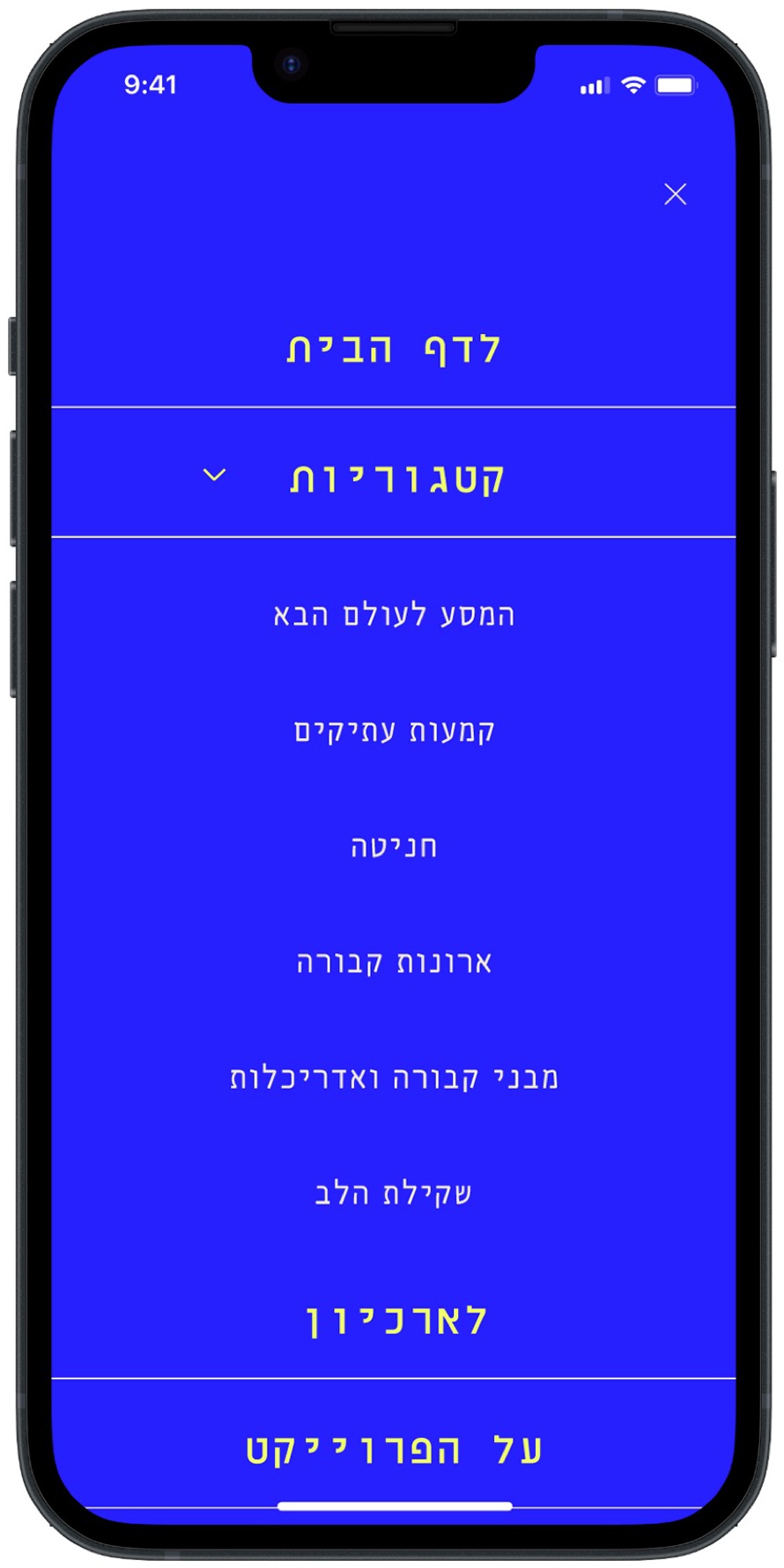
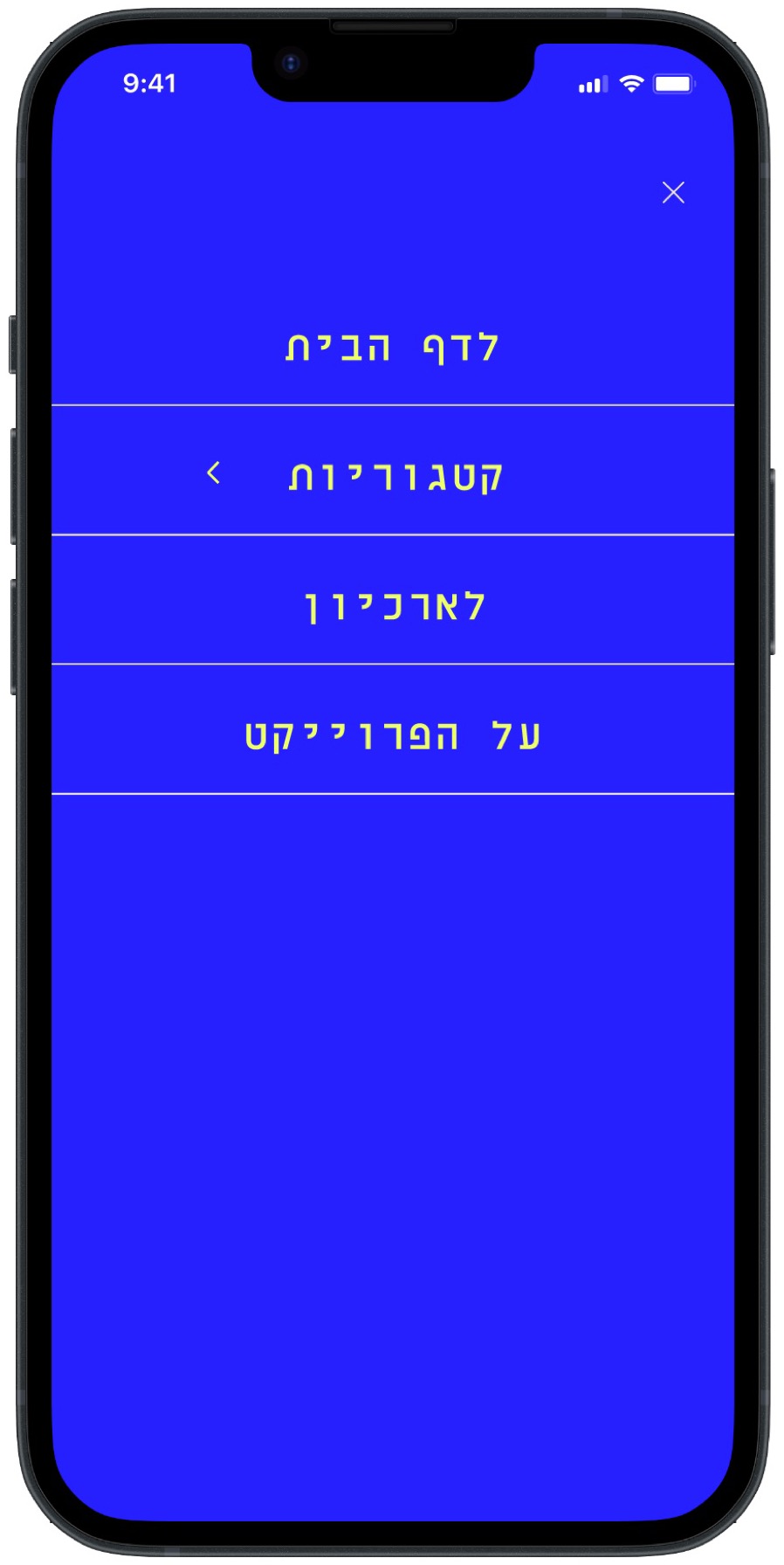
Mobile Navigation Drawer
The process
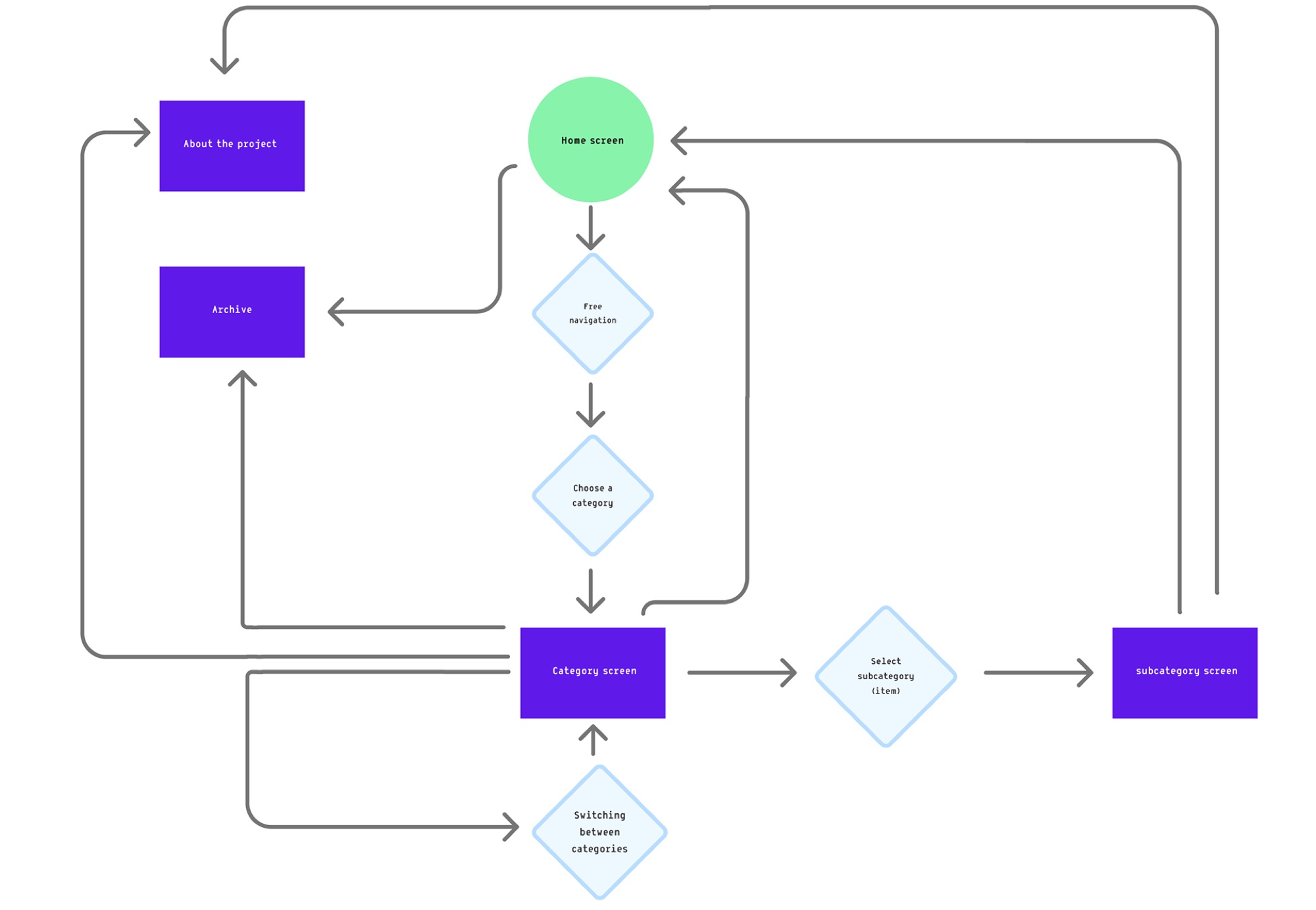
The flow presents a free exploration experience that starts from the home screen and leads the user to choose a category and then specific items. The structure allows flexible movement between categories and a return to the archive, enabling an open and non-linear way to explore the content.
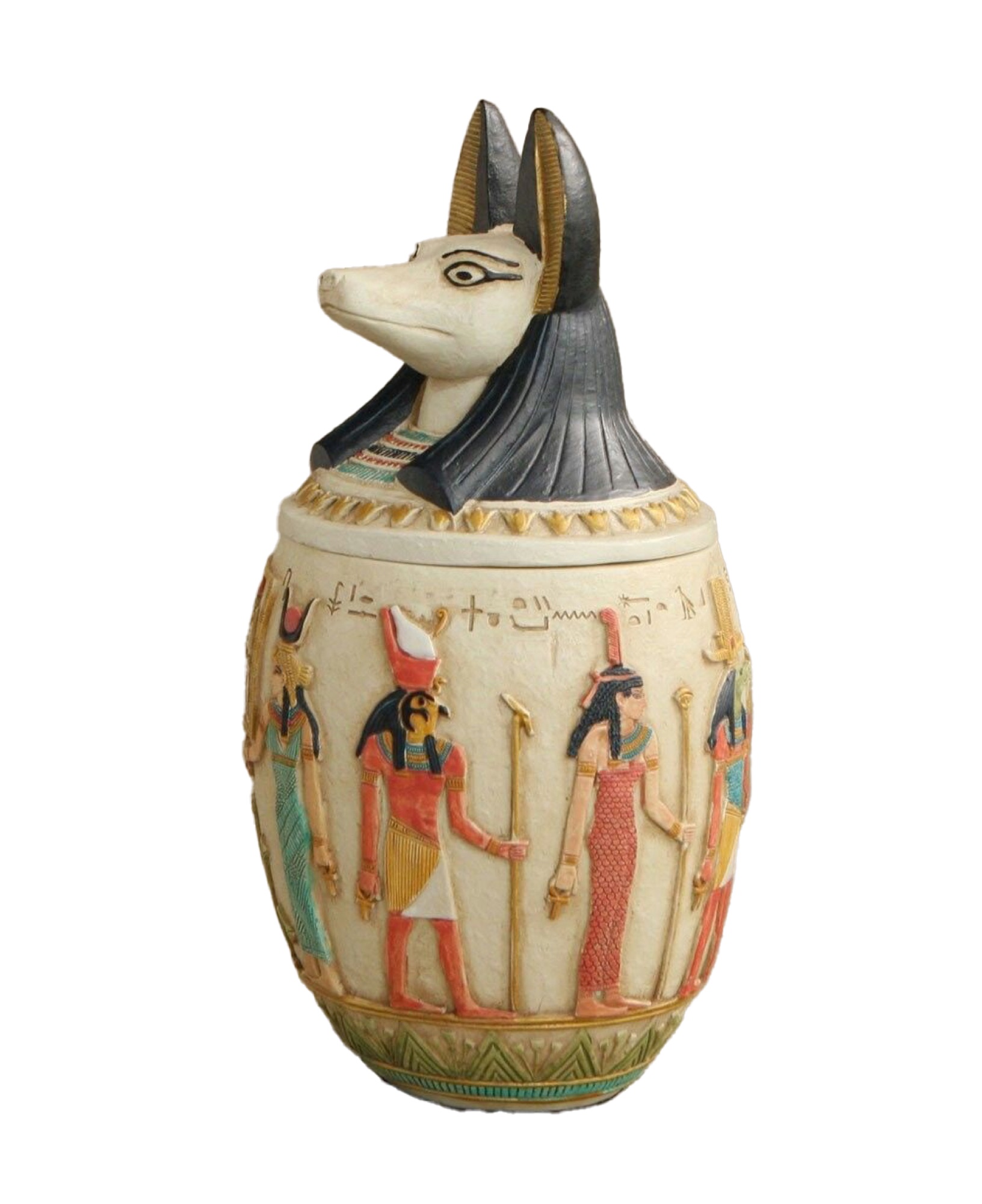
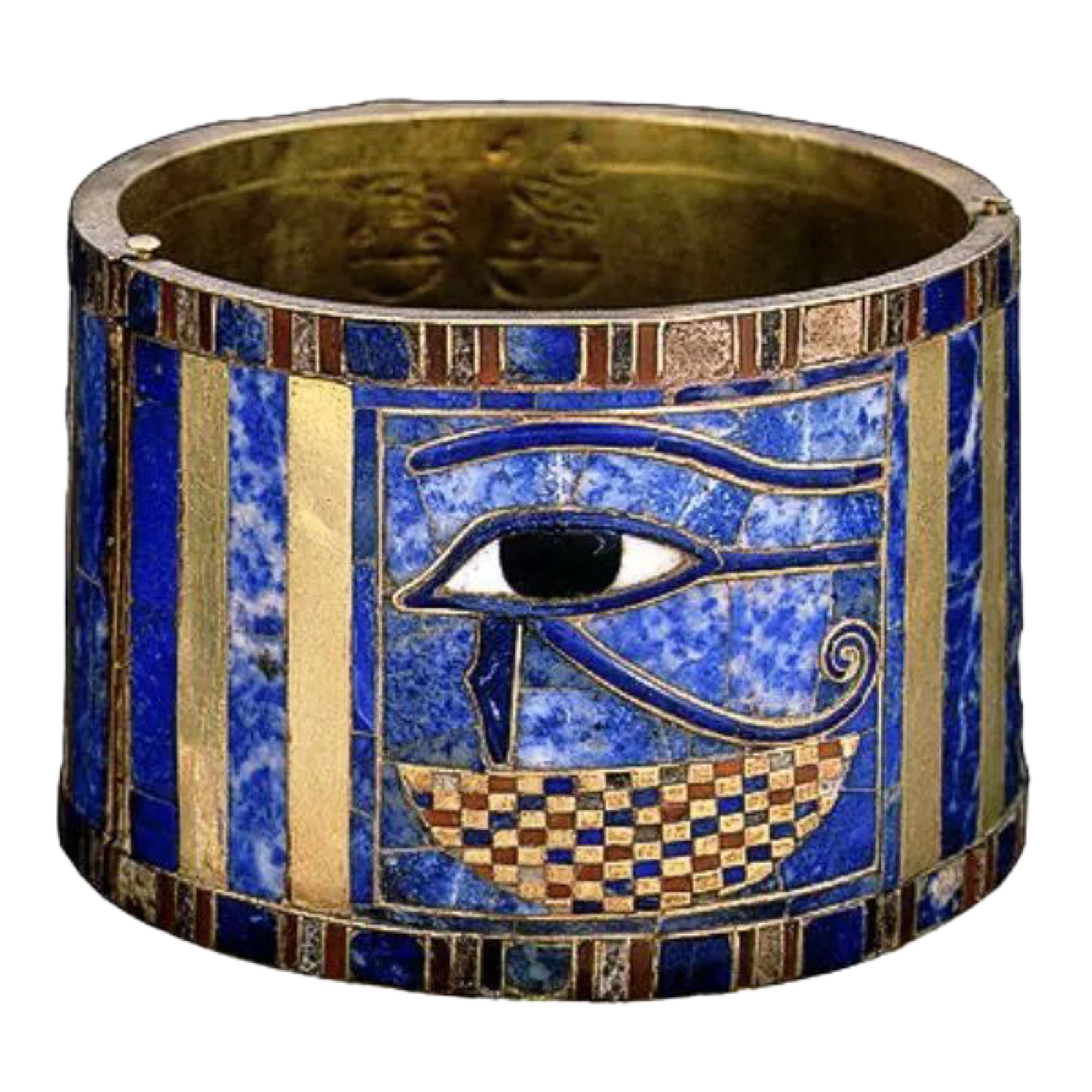
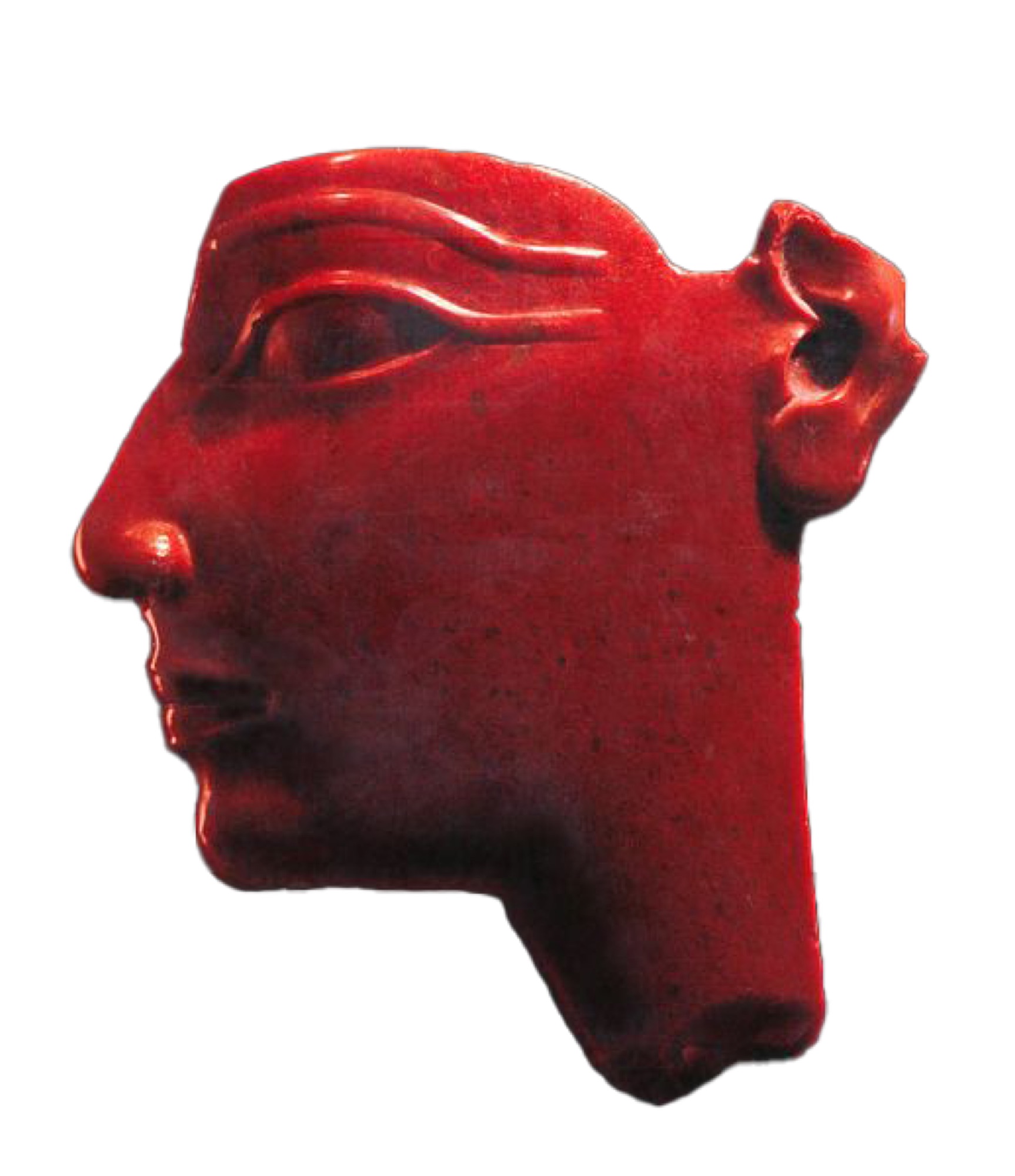
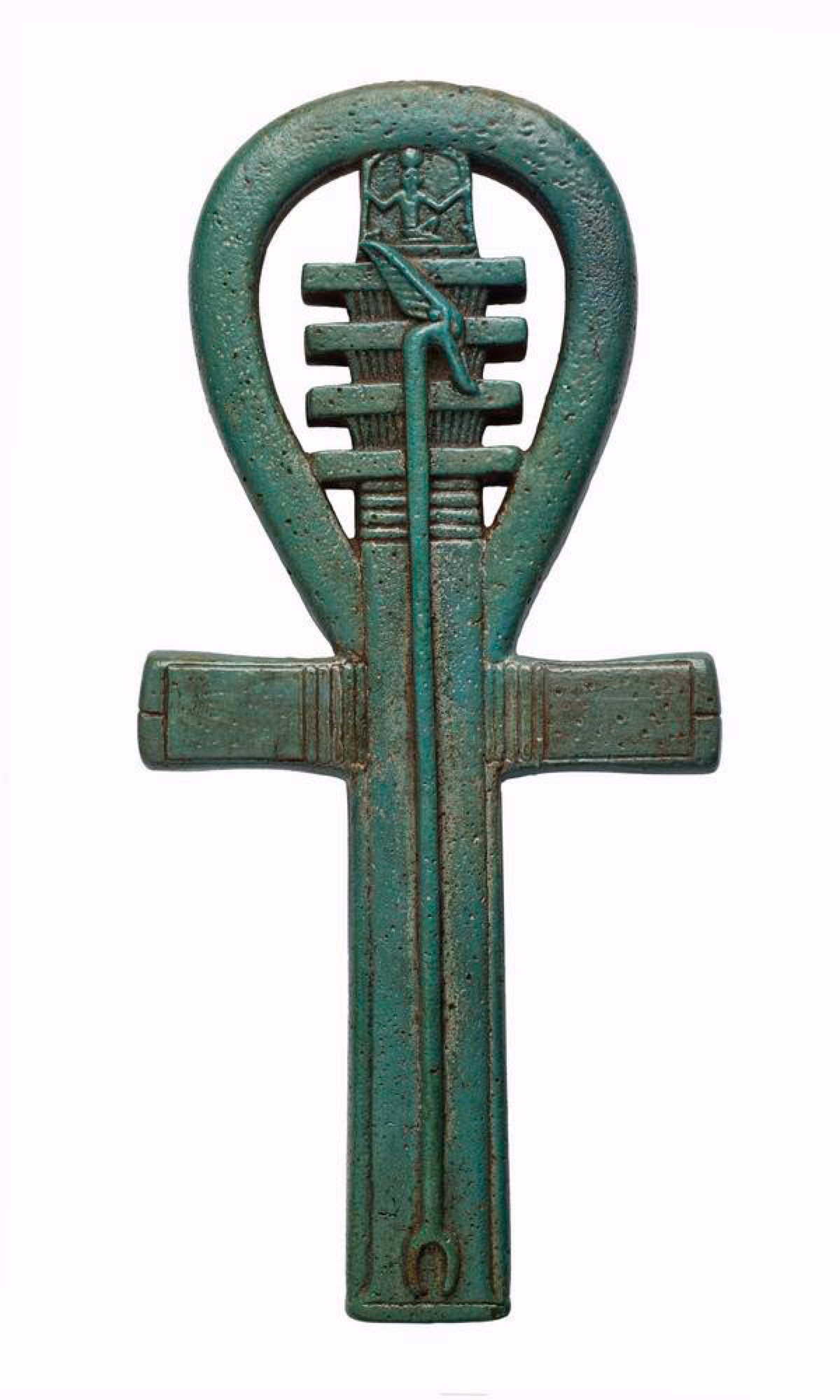
The project draws inspiration from real museum artifacts, with many of the 3D models on the site based on historical objects that were re-modeled using Meshy. The main inspiration came from the richness and precision of the preserved items, and the research process around them was meaningful, in-depth, and highly engaging.
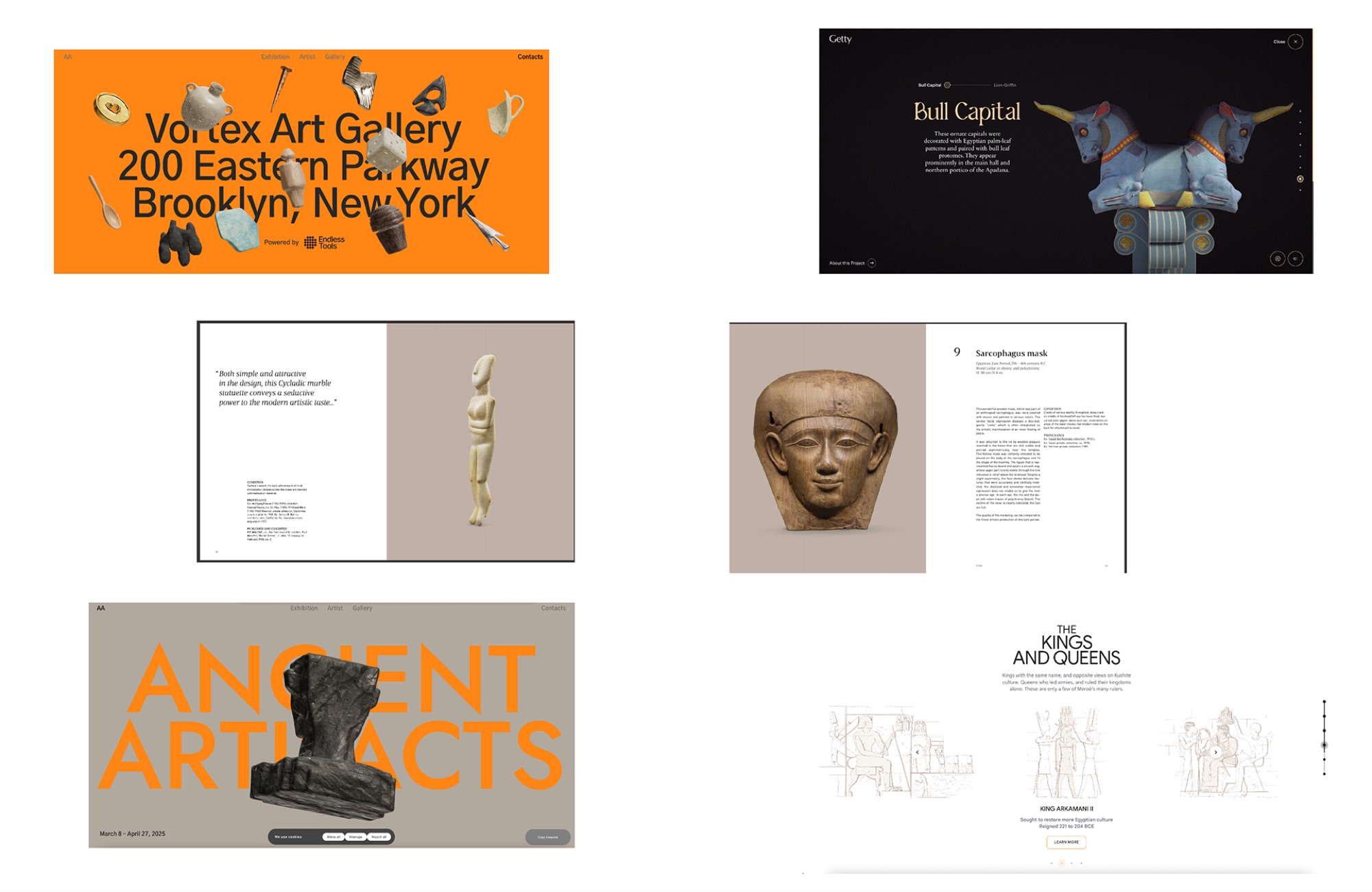
The project draws inspiration from museum and digital archive websites that combine rich content with a clear and intuitive user experience. This influence is reflected in the way information is organized into categories, the clean visual language, and the creation of a free exploration experience that allows users to navigate the content intuitively.
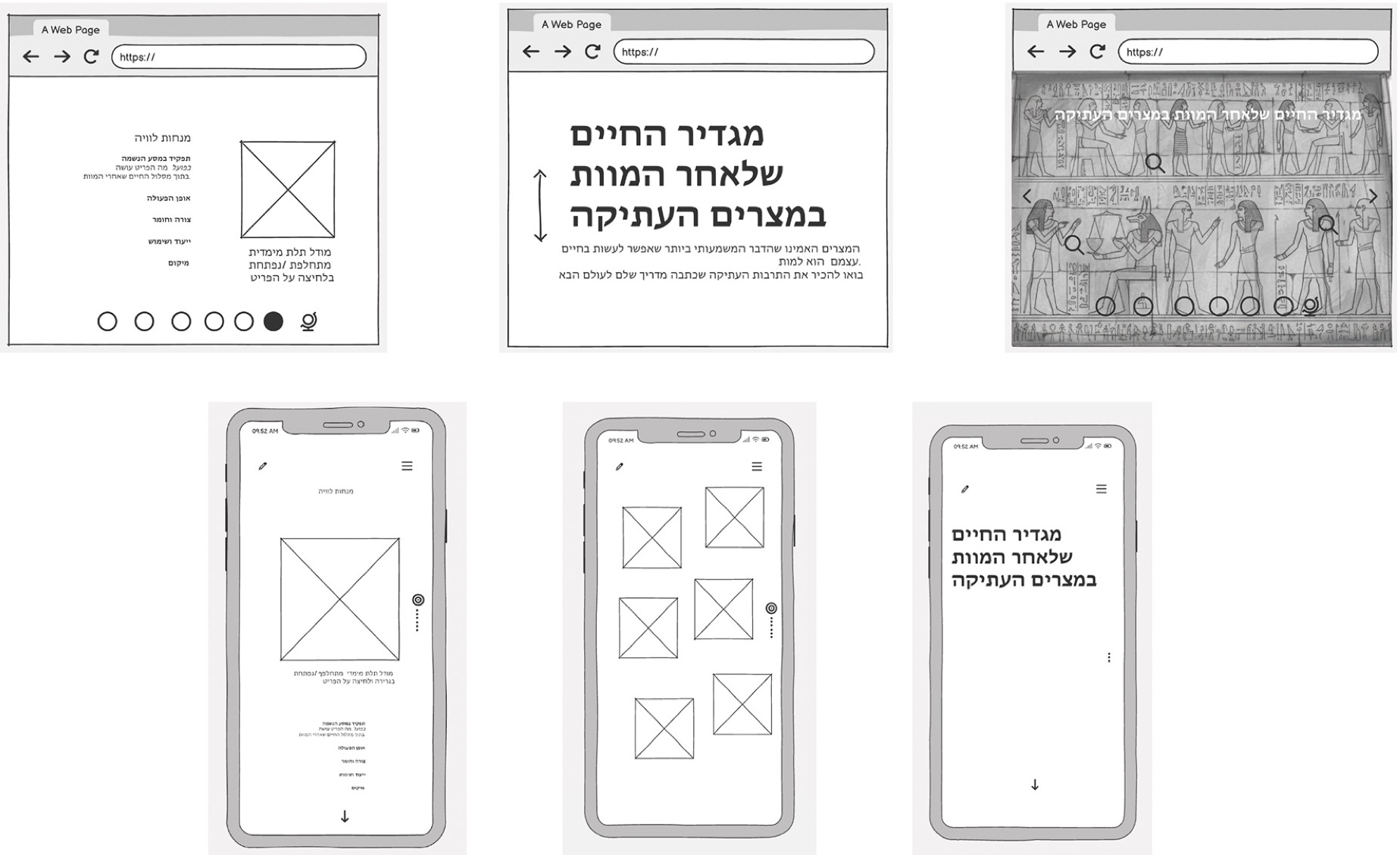
The wireframes were used as a tool to plan the structure and flow of the system, focusing on information hierarchy and navigation. They made it possible to explore the main screens, the transitions between them, and the exploration experience before moving into the visual design stage.